


Auburn University homepage




About Auburn
At Auburn, you'll find a community grounded in purpose, fueled by curiosity and driven by possibility. Our students and alumni push boundaries, solve real-world challenges and carry the Auburn spirit with them wherever they go — creating impact in their communities and beyond.
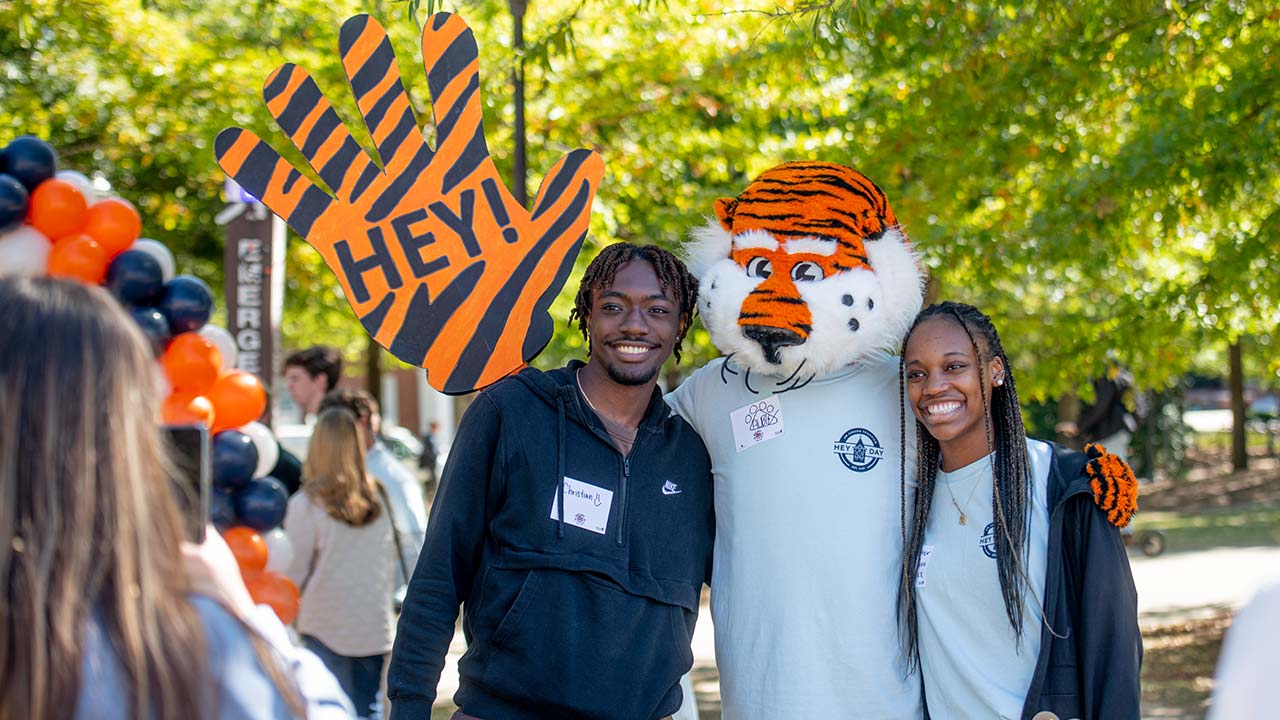
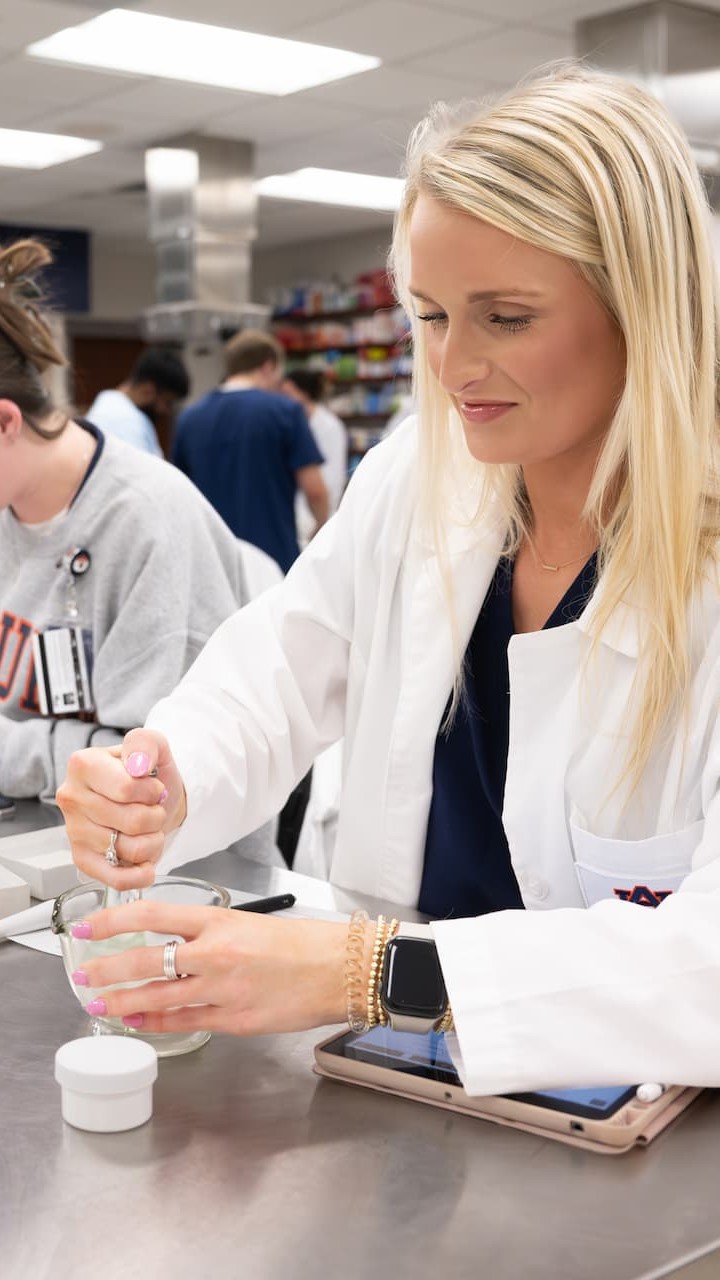


With world-class faculty, cutting-edge research and a commitment to innovation, Auburn provides an education that goes beyond the classroom.
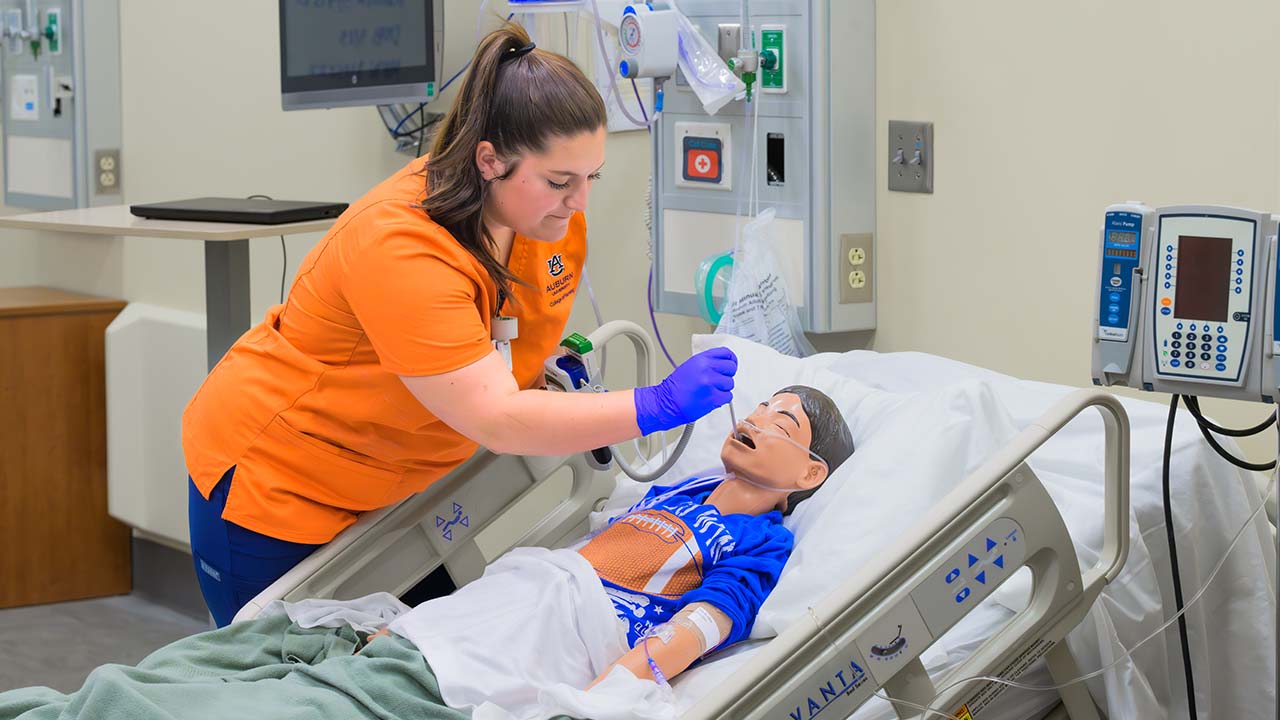
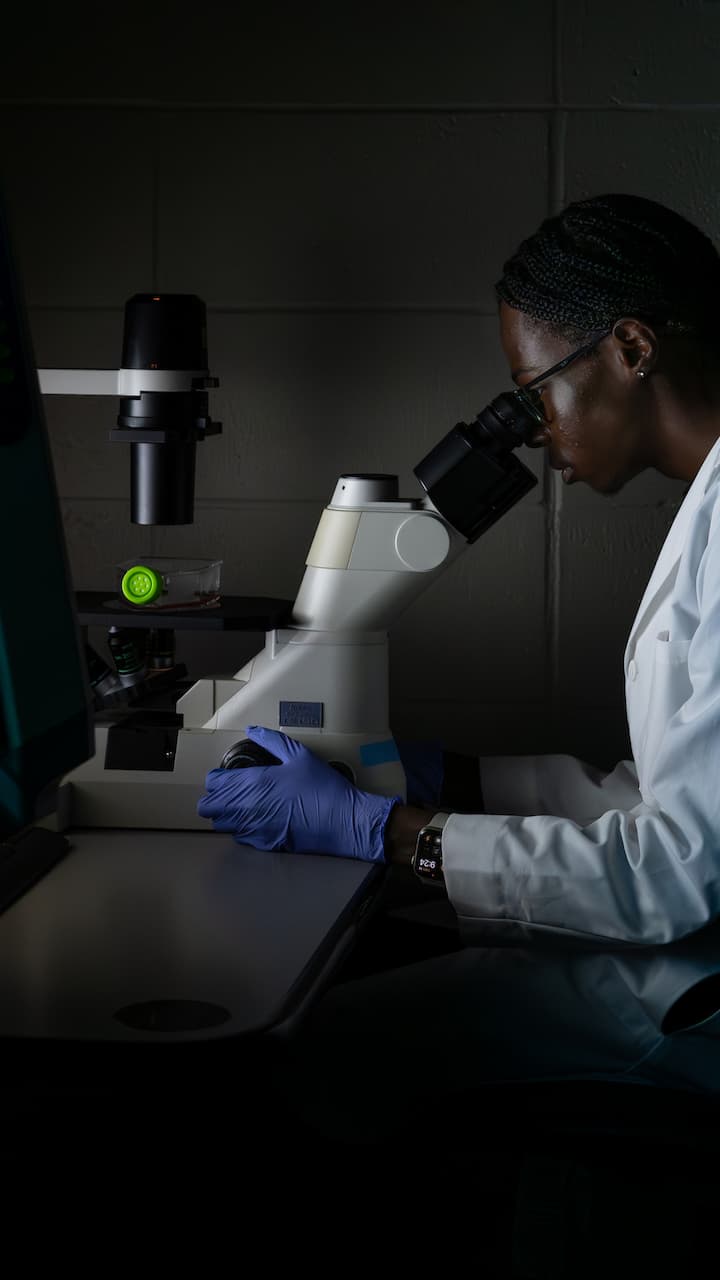

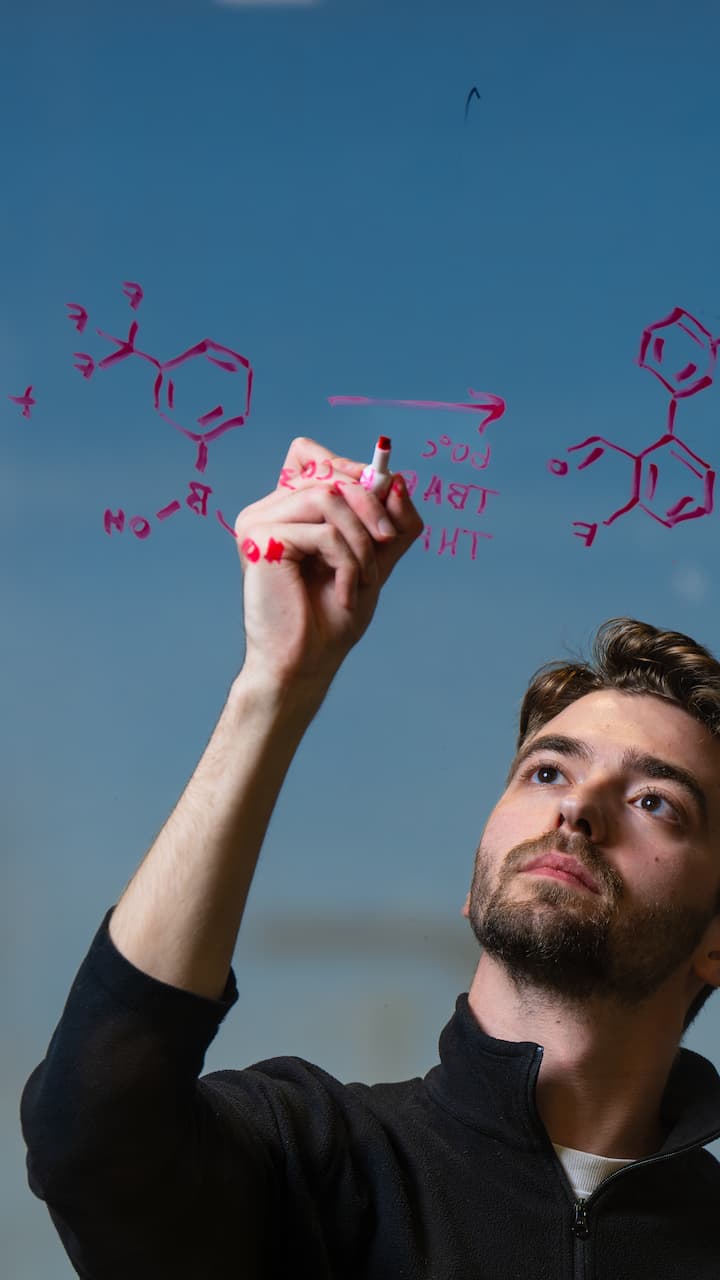
Auburn research drives innovation, solving real-world challenges in fields like healthcare, technology, agriculture and engineering. With a focus on hands-on discovery and collaboration, our researchers create solutions that improve lives in Alabama and around the world.
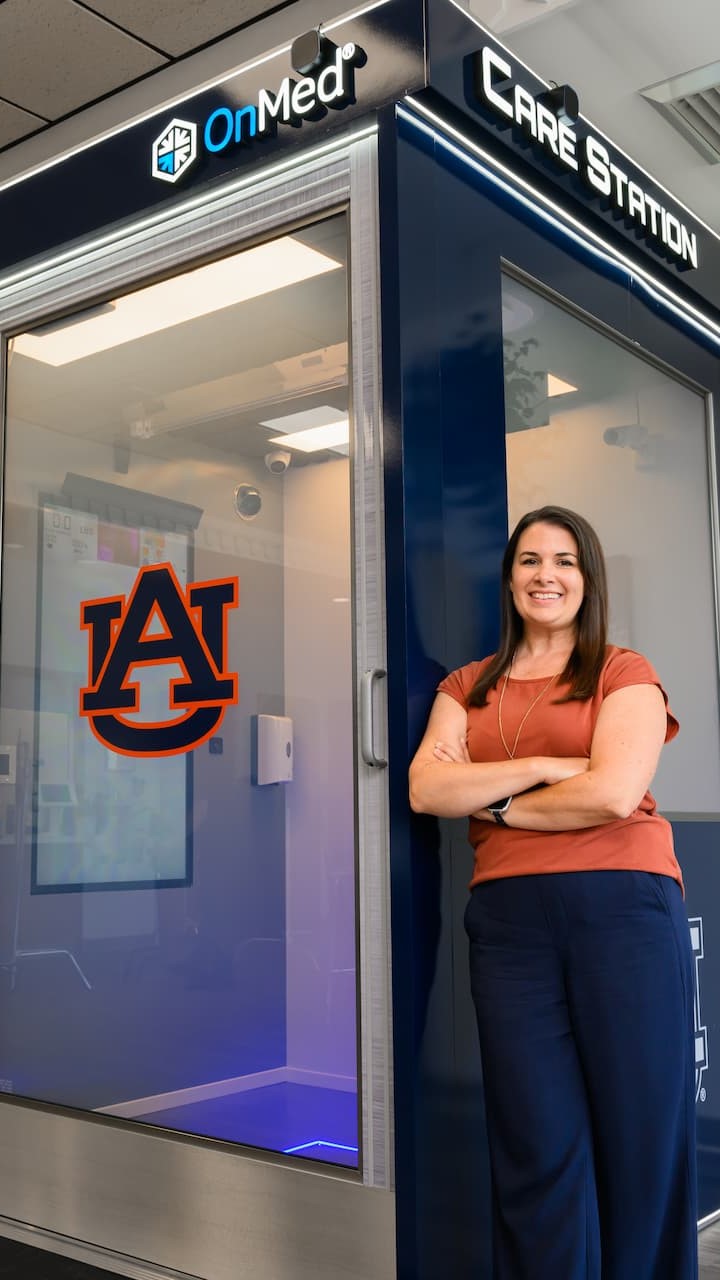
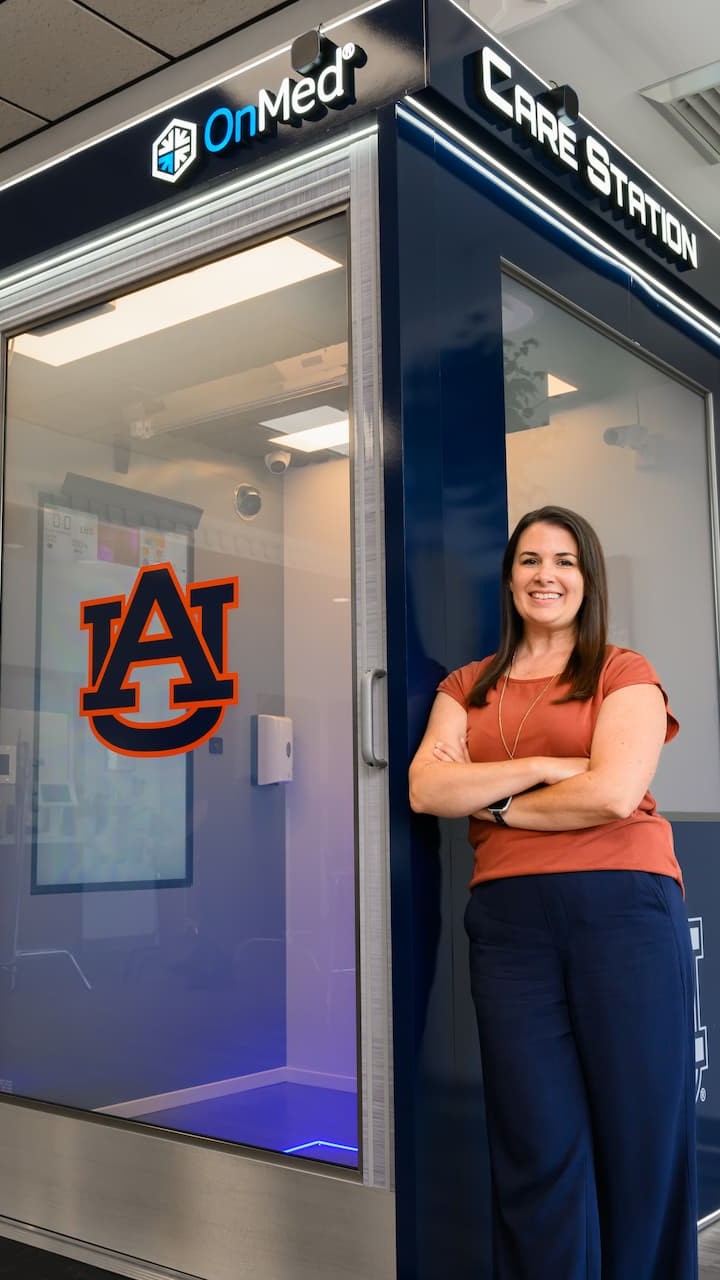


Our land-grant mission is a charge to take knowledge and innovation beyond campus, creating lasting change where it matters most.


Explore Auburn

This project transforms the stadium into a true campus destination — serving Auburn students year-round.
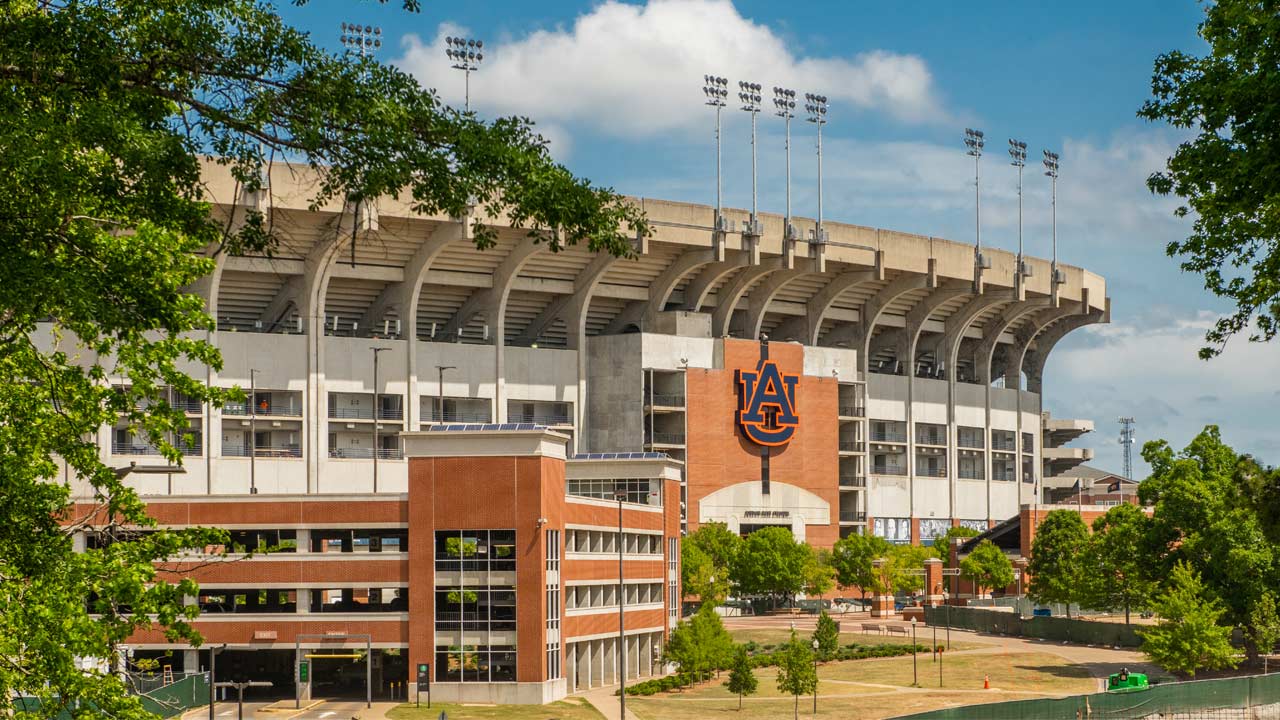
One of the most iconic stadiums in college football, Jordan-Hare is home to the Auburn Tigers and 88,043 passionate fans. From legendary games to unforgettable traditions, it’s where the Auburn spirit comes to life.
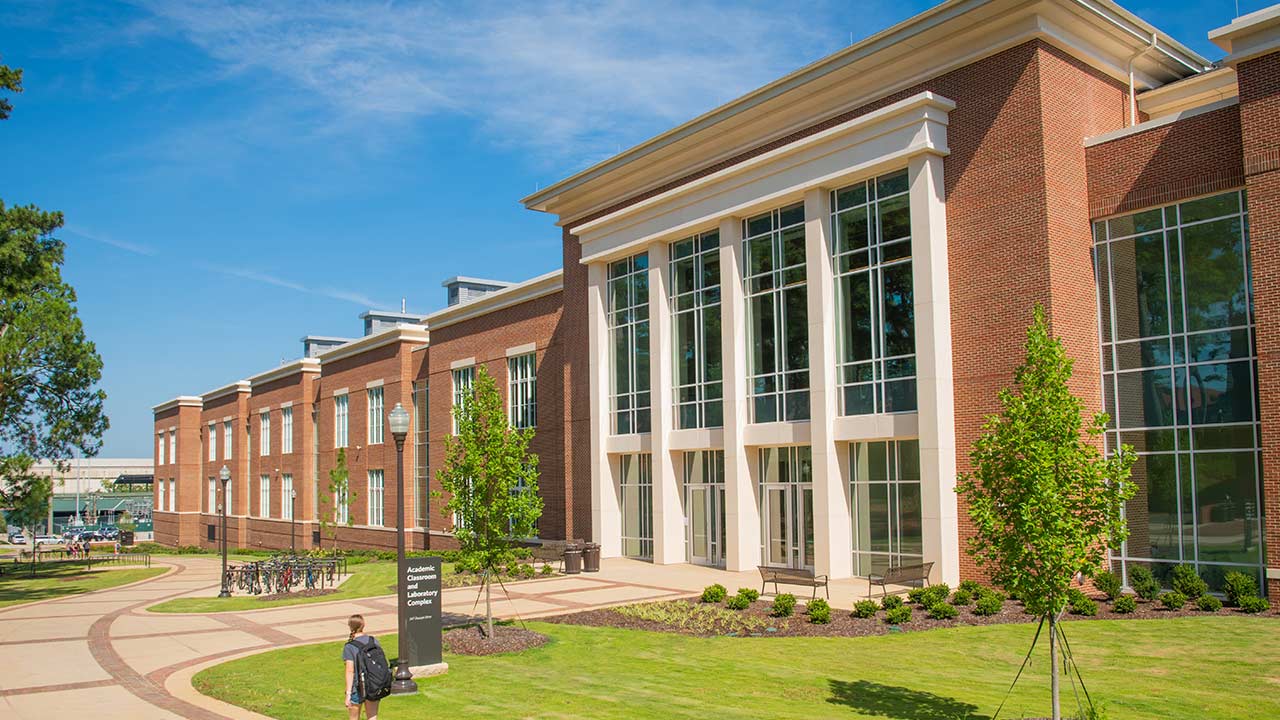
Designed for collaboration and innovation, the ACLC features active learning classrooms, cutting-edge labs and technology-driven spaces that enhance experiential education.
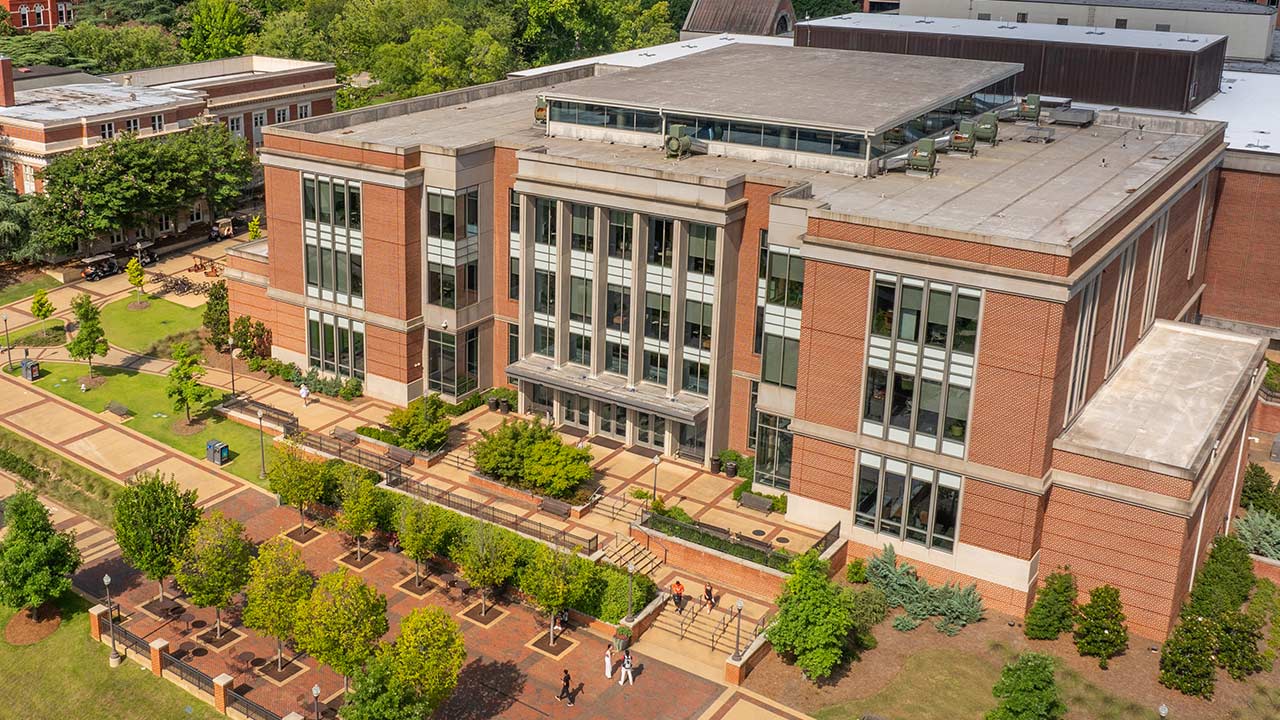
A hub for engaged learning, Mell offers modern classrooms, interactive study spaces and a seamless connection to the RBD Library.
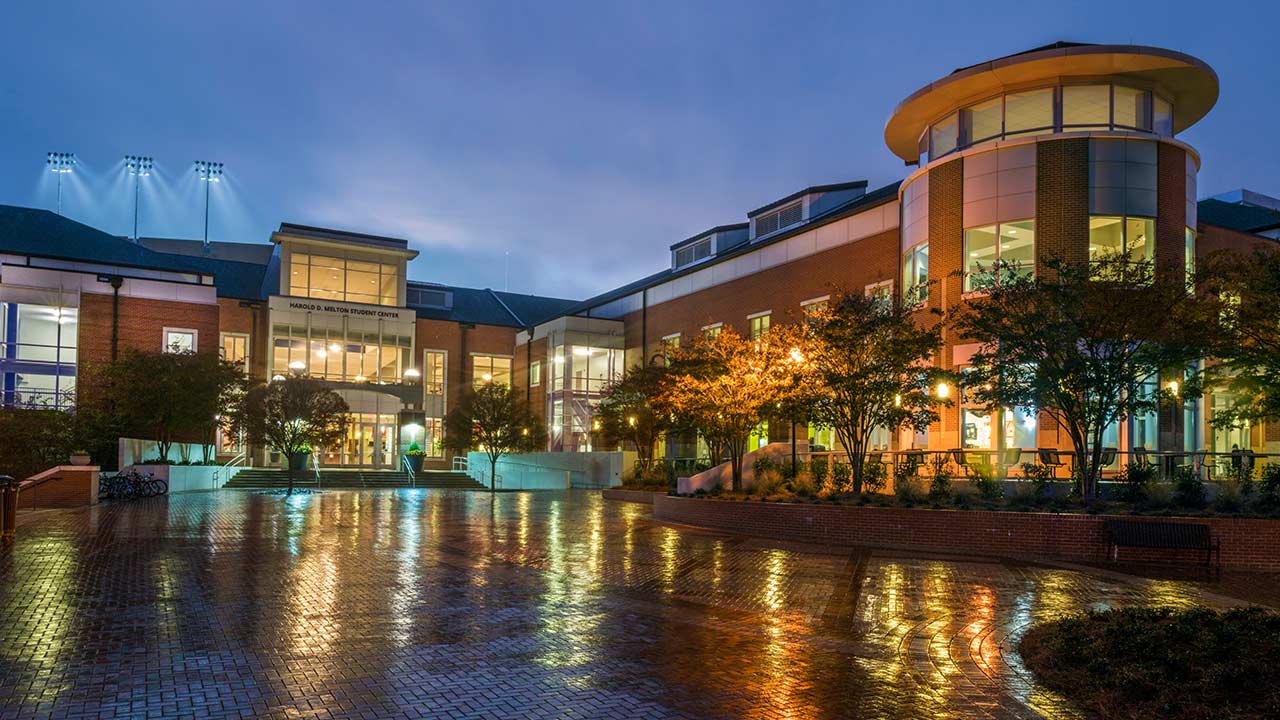
The heart of campus life, Melton Student Center is home to dining, student organizations and gathering spaces where students connect, recharge and get involved.

A state-of-the-art facility blending hospitality, culinary science, and real-world learning, Rane is where students gain hands-on experience in a world-class dining and lodging environment.
Auburn Stories

What does a world-record hurdler eat before the biggest race of his life? For Auburn track star Ja'Kobe Tharp, it's a McDonald's meal that's become an unlikely pre-race tradition.
Auburn University College of Education alumna Ashley Powell has been named president of the School Nutrition Association.
Dr. Martin O’Neill, Head of the Horst Schulze School of Hospitality Management in the College of Human Sciences, was recently honored on a national scale earning the ICHRIE McCool Breakthrough Award.
